

Uniontown 
Connellsville 
(724) 320-2447

Blog

Slip-Resistant Shoes Can Help Protect Restaurant Workers’ Feet

Foot pain is common among restaurant workers who spend long hours standing, walking, and carrying supplies. Repeated pressure can affect the heels, arches, and ankles. Symptoms may include aching, tenderness, or pain that worsens near the end of a shift. Common causes include overuse, poor footwear, and hard flooring. Conditions such as plantar fasciitis, tendon irritation, and stress injuries may also contribute to discomfort.

Restaurant workers face several risk factors for foot pain. Long shifts, walking, and standing on concrete can increase strain. Wearing worn-out shoes or footwear without adequate cushioning may add pressure. A podiatrist can evaluate your gait, footwear, and medical history. The examination may include checking range of motion and identifying inflammation or structural concerns. Imaging tests may be recommended when a fracture or another underlying problem is suspected.


Choosing the right restaurant work shoes can help reduce stress on your feet. Look for comfort, cushioning and a stable fit. A slip-resistant outsole can help improve traction on wet or greasy floors. A water-resistant upper can help protect the feet from spills and moisture. Shoes should provide enough room for the toes without excess movement. Replace shoes when cushioning becomes compressed or the outsole loses traction. A podiatrist may recommend stretching, orthotics, or other treatment based on your diagnosis.


Do not ignore foot pain that continues after rest or affects your ability to work. A podiatrist can create a treatment plan focused on pain relief and healing. Treatment may include footwear changes, orthotics, or exercises. More advanced care may be considered when conservative care does not provide relief. If you have foot pain during your work day, it is suggested that you consult a podiatrist for a diagnosis and appropriate treatment.

While working on the feet, it is important to take the proper care of them. For more information about working on your feet, contact Dr. Arnold Tarpley, Jr. from Tarpley Foot and Ankle Center. Dr. Tarpley will treat your foot and ankle needs.

Working on Your Feet

Standing on your feet for long periods of time can cause stress and pain in your feet. Your whole body may experience change in terms of posture, back pain, bunions, callouses and or plantar warts. There are ways to avoid these conditions with proper foot care, smart choices and correct posture.

Positive Changes

Negative heeled shoe – Choosing this shoe type places the heel slightly lower than the ball of the foot. These are great for overall foot health. Find shoes that fit you correctly.

Go barefoot – Our feet were not designed to be enclosed for all hours of the day. Try to periodically expose your feet to air.

Eliminate Pain

Foot Exercises – Performing simple exercises, incorporating yoga and doing stretches are beneficial. This will allow increased blood flow to the area and muscles of the foot.

Achilles tendon – Stretching the foot out flat on the floor will relax the calf muscles and tendon. These exercises can be performed almost anywhere. Make sure you add these exercises to your daily regimen. 

With a little bit of this information and knowing more about foot health, you will notice changes. Foot stretches and proper footwear will help with pain and prevent further issues.

If you have any questions please contact one of our offices located in Uniontown, and Connellsville, PA . We offer the newest diagnostic and treatment technologies for all your foot and ankle needs.

Read more about How to Handle a Long Work Day on Your Feet

Understanding Gout and Why It Can Affect Your Feet

Gout is a form of inflammatory arthritis that often affects the feet, especially the big toe. It develops when uric acid builds up in the blood and forms sharp crystals inside a joint. These crystals trigger inflammation, causing sudden pain, and tenderness. An attack may begin overnight and make walking uncomfortable. Repeated attacks can eventually damage joints or cause tophi, which are firm uric acid deposits beneath the skin.

Several risk factors can increase the chance of developing gout. Family history may raise susceptibility, while obesity, kidney disease, and high blood pressure can also contribute. Certain medications may affect uric acid levels. Regular alcohol use and frequent consumption of purine-rich foods, including some meats and seafood, may increase risk. Dehydration can also contribute to flare-ups. Gout is not caused by one food alone. Genetics, health conditions, and lifestyle habits can all influence uric acid levels.


A podiatrist begins by reviewing your symptoms and medical history, then examining the affected foot. Testing or imaging may be recommended to support the diagnosis and rule out other causes of joint pain. During a gout attack, treatment may include medication to reduce inflammation and control pain. For recurring attacks, your podiatrist may discuss long-term uric acid management. Guidance about hydration, nutrition, and weight management can also help reduce future problems.


Gout can be painful, but recognizing symptoms early gives you an opportunity to seek care before attacks become more frequent. Sudden big-toe pain, swelling, or warmth should not be ignored, especially when symptoms return. A podiatrist can determine whether gout is responsible and create a treatment plan based on your needs. With appropriate care, many people can reduce flare-ups and protect their joints. If you have had one or more gout attacks, it is suggested that you are under the care of a podiatrist who can help you to manage this painful condition.

Gout is a foot condition that requires certain treatment and care. If you are seeking treatment, contact Dr. Arnold Tarpley, Jr. from Tarpley Foot and Ankle Center. Dr. Tarpley will treat your foot and ankle needs.

What Is Gout?

Gout is a type of arthritis caused by a buildup of uric acid in the bloodstream. It often develops in the foot, especially the big toe area, although it can manifest in other parts of the body as well. Gout can make walking and standing very painful and is especially common in diabetics and the obese.

People typically get gout because of a poor diet. Genetic predisposition is also a factor. The children of parents who have had gout frequently have a chance of developing it themselves.

Gout can easily be identified by redness and inflammation of the big toe and the surrounding areas of the foot. Other symptoms include extreme fatigue, joint pain, and running high fevers. Sometimes corticosteroid drugs can be prescribed to treat gout, but the best way to combat this disease is to get more exercise and eat a better diet.

If you have any questions, please feel free to contact one of our offices located in Uniontown, and Connellsville, PA . We offer the newest diagnostic and treatment technologies for all your foot care needs.

Read more about Everything You Need to Know About Gout

Types of Toenail Fungus

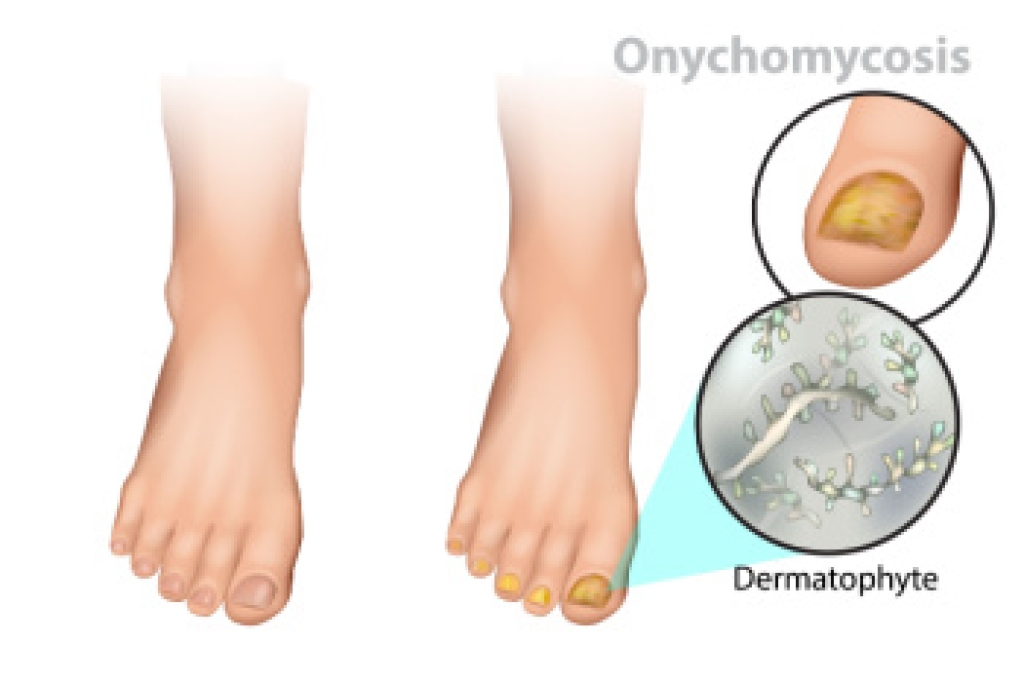
Toenail fungus, also known as mycosis nail fungus or onychomycosis, is a fungal infection that develops in or beneath a toenail. It can begin gradually, making early changes easy to miss. Common symptoms include yellow, white, or brown discoloration, along with nails that become thick, brittle, or separated from the nail bed. Although toenail fungus is usually not dangerous, prompt care can help prevent the infection from becoming more difficult to treat.

There are several types of toenail fungus. Distal subungual infection is the most common and typically begins beneath the nail tip before spreading deeper. White superficial infection affects the nail surface and may cause chalky white patches. Additionally, proximal subungual infection begins near the nail base and gradually moves outward. These infections can develop after exposure to fungi in warm, damp environments. Walking barefoot in shared showers, using contaminated nail-care tools, and wearing sweaty footwear can increase exposure. Risk factors include diabetes, poor circulation, and a weakened immune system. 

A podiatrist will examine the affected nail and look for other conditions that may cause similar changes. When needed, a small nail sample can be tested to confirm a fungal infection. Treatment depends on the type and severity of the infection. A podiatrist may recommend prescription topical antifungal medication or oral antifungal medicine. The nail may also be carefully trimmed or thinned to improve medication contact. Keeping feet clean and dry, changing socks regularly, and choosing breathable footwear can support treatment and help reduce recurrence.

Toenail fungus can be unsightly and uncomfortable. If you notice changes in toenail color, thickness, or texture, it is suggested that you consult a podiatrist for effective treatment solutions.

If left untreated, toenail fungus may spread to other toenails, skin, or even fingernails. If you suspect you have toenail fungus it is important to seek treatment right away. For more information about treatment, contact Dr. Arnold Tarpley, Jr. of Tarpley Foot and Ankle Center. Dr. Tarpley can provide the care you need to keep you pain-free and on your feet.

Symptoms

  • Warped or oddly shaped nails
  • Yellowish nails
  • Loose/separated nail
  • Buildup of bits and pieces of nail fragments under the nail
  • Brittle, broken, thickened nail

Treatment

If self-care strategies and over-the-counter medications does not help your fungus, your podiatrist may give you a prescription drug instead. Even if you find relief from your toenail fungus symptoms, you may experience a repeat infection in the future.

Prevention

In order to prevent getting toenail fungus in the future, you should always make sure to wash your feet with soap and water. After washing, it is important to dry your feet thoroughly especially in between the toes. When trimming your toenails, be sure to trim straight across instead of in a rounded shape. It is crucial not to cover up discolored nails with nail polish because that will prevent your nail from being able to “breathe”.

In some cases, surgical procedure may be needed to remove the toenail fungus. Consult with your podiatrist about the best treatment options for your case of toenail fungus.  

If you have any questions please contact one of our offices located in Uniontown, and Connellsville, PA . We offer the newest diagnostic and treatment technologies for all your foot and ankle needs.

Read more about How to Treat Your Toenail Fungus

Heel Pain Can Be Treated!

Do you suffer from heel pain when you get up in the morning? If so, you should seek professional help and have a proper diagnosis performed. Heel pain can be caused by several different foot-related conditions.

Connect with us