Uniontown 
Connellsville 
(724) 320-2447

Blog

Choosing the Right Footwear for Soccer Performance

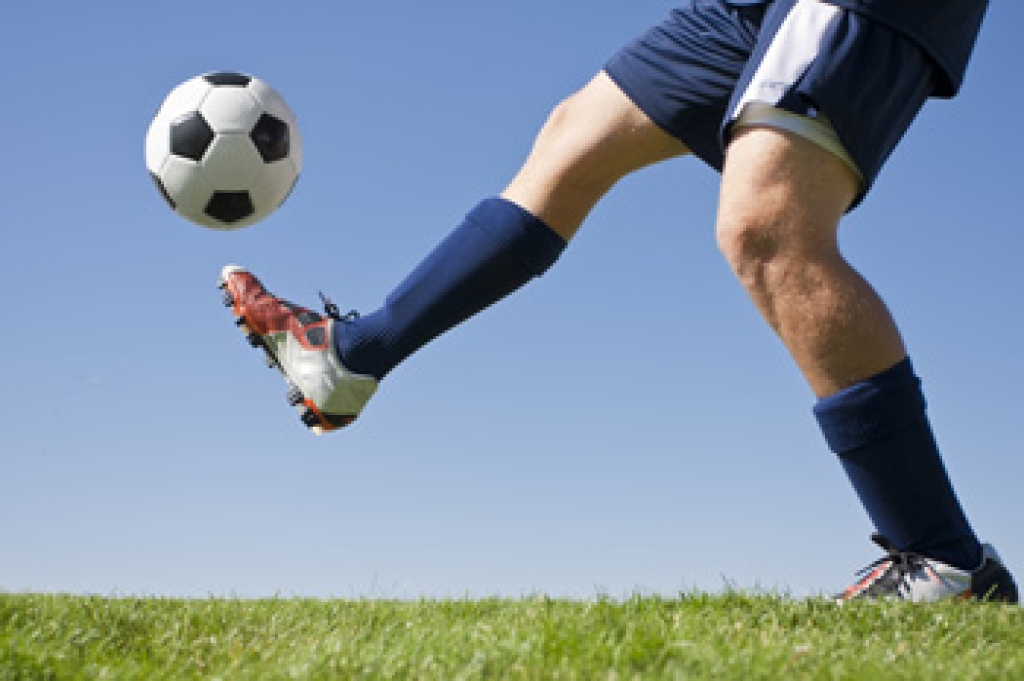
Footwear for soccer players plays a critical role in performance, comfort, and injury prevention. Comfort ensures that the shoe supports natural foot movement and allows athletes to perform without distraction. Proprioception, or the ability to sense movement and position, is influenced by how well the shoe fits and interacts with the foot. Shoe mechanical characteristics such as flexibility, traction, and stability must match the demands of the sport and the type of field surfaces. Cleats are designed to provide grip and control, but poor design or improper fit can increase the risk of injury. A podiatrist can help evaluate foot structure and recommend appropriate footwear. If you have sustained a foot injury and want to improve performance and protect your feet, it is suggested that you consult a podiatrist who can offer relief solutions and guide you toward the right soccer footwear for your needs.

It is important to find shoes that fit you properly in order to avoid a variety of different foot problems. For more information about treatment, contact Dr. Arnold Tarpley, Jr. from Tarpley Foot and Ankle Center. Dr. Tarpley will treat your foot and ankle needs.

Proper Shoe Fitting

Shoes have many different functions. They cushion our body weight, protect our feet, and allow us to safely play sports. You should always make sure that the shoes you wear fit you properly in order to avoid injuries and deformities such as: bunions, corns, calluses, hammertoes, plantar fasciitis, stress fractures, and more. It is important to note that although a certain pair of shoes might be a great fit for someone else, that doesn’t mean they will be a great fit for you. This is why you should always try on shoes before buying them to make sure they are worth the investment. Typically, shoes need to be replaced ever six months to one year of regular use.

Tips for Proper Shoe Fitting

  • Select a shoe that is shaped like your foot
  • Don’t buy shoes that fit too tight, expecting them to stretch to fit
  • Make sure there is enough space (3/8” to ½”) for your longest toe at the end of each shoe when you are standing up
  • Walk in the shoes to make sure they fit and feel right
  • Don’t select shoes by the size marked inside the shoe, but by how the shoe fits your foot

The shoes you buy should always feel as good as they look. Shoes that fit properly will last longer, feel better, and improve your way of life each day.

If you have any questions please contact one of our offices located in Uniontown, and Connellsville, PA . We offer the newest diagnostic and treatment technologies for all your foot and ankle needs.

Read more about Getting the Right Shoe Size

Reasons for Arch Pain

Arch pain is a common foot-related condition defined as discomfort or inflammation along the curved middle portion of the foot that supports body weight and movement. This area contains important muscles, ligaments, and connective tissues that maintain balance and stability while walking. Causes of arch pain include plantar fasciitis, stress fractures within the foot bones, or ligament-related strains that develop from repetitive pressure. Symptoms often involve aching discomfort, tenderness, swelling, and increased pain during walking or standing. Risk factors include prolonged standing, high impact activity, poor footwear support, or abnormal foot mechanics. A podiatrist can evaluate foot structure, identify the underlying cause, and recommend supportive treatment. If arch discomfort interferes with daily movement, it is suggested that you consult a podiatrist who can offer effective relief and treatment solutions.

Foot Pain

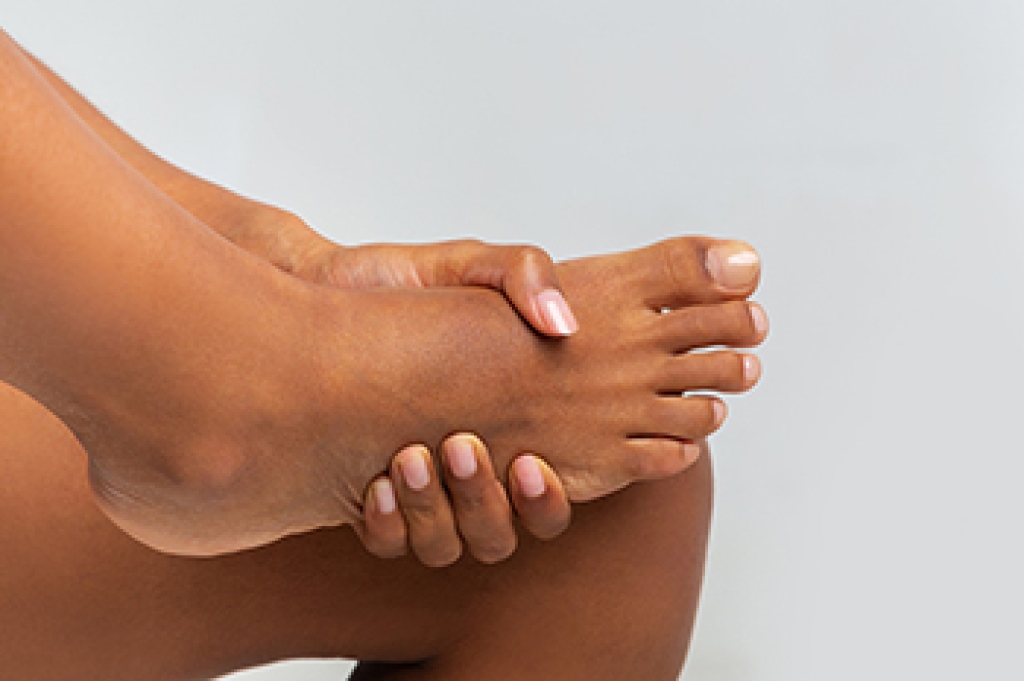
Foot pain can be extremely painful and debilitating. If you have a foot pain, consult with Dr. Arnold Tarpley, Jr. from Tarpley Foot and Ankle Center. Dr. Tarpley will assess your condition and provide you with quality foot and ankle treatment.

Causes

Foot pain is a very broad condition that could be caused by one or more ailments. The most common include:

  • Bunions
  • Hammertoes
  • Plantar Fasciitis
  • Bone Spurs
  • Corns
  • Tarsal Tunnel Syndrome
  • Ingrown Toenails
  • Arthritis (such as Gout, Rheumatoid, and Osteoarthritis)
  • Flat Feet
  • Injury (from stress fractures, broken toe, foot, ankle, Achilles tendon ruptures, and sprains)
  • And more

Diagnosis

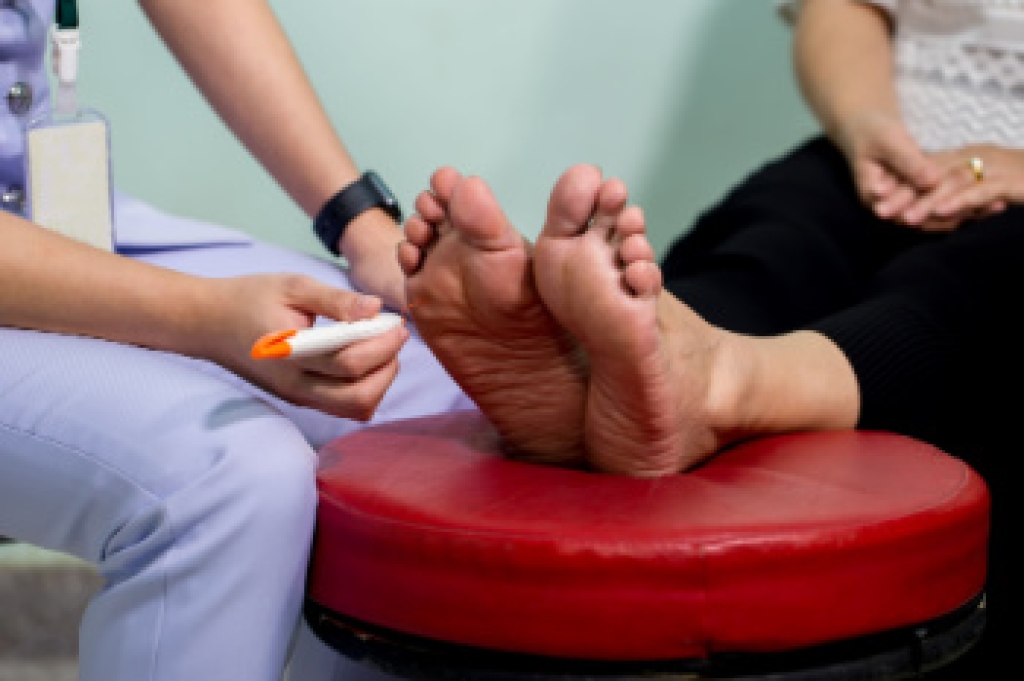
To figure out the cause of foot pain, podiatrists utilize several different methods. This can range from simple visual inspections and sensation tests to X-rays and MRI scans. Prior medical history, family medical history, and any recent physical traumatic events will all be taken into consideration for a proper diagnosis.

Treatment

Treatment depends upon the cause of the foot pain. Whether it is resting, staying off the foot, or having surgery; podiatrists have a number of treatment options available for foot pain.

If you have any questions, please feel free to contact one of our offices located in Uniontown, and Connellsville, PA . We offer the newest diagnostic and treatment technologies for all your foot care needs.
Read more about Foot Pain

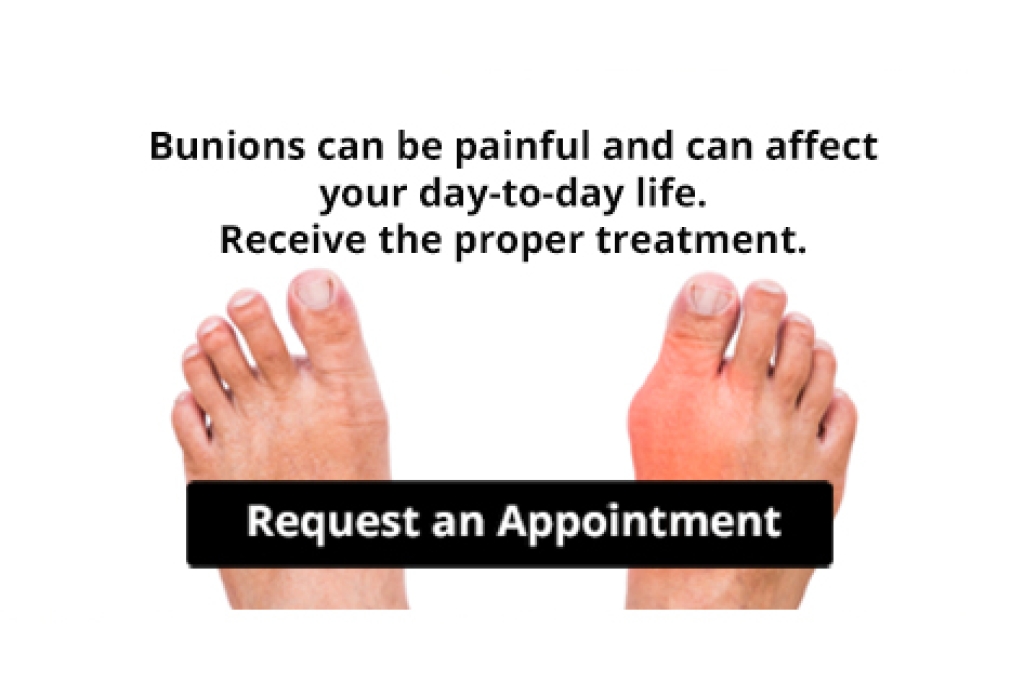
Are Bunions Affecting Your Everyday Life?

Have you noticed a bony protrusion on the side of your big toe? If so, you may have developed the foot condition known as a bunion. Don't let bunions interfere with your daily activities.

Cuboid Syndrome and Lateral Foot Pain

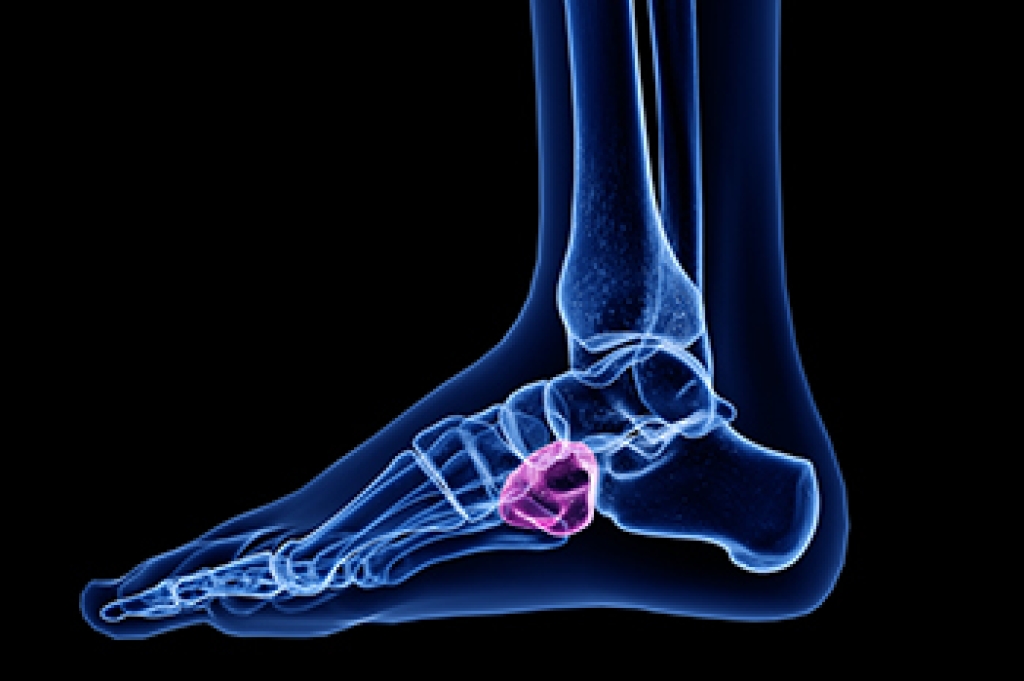
Cuboid syndrome is a condition involving the cuboid bone in the foot, where it becomes misaligned or irritated, leading to discomfort and impaired movement. There is often pain on the outer side of the foot, especially during walking or standing, and it may be weak or difficult to bear weight. Causes can include falls, sudden missteps, or repetitive strain, while flat feet may increase stress on the area. Risk factors include athletic activity, wearing improper footwear, and previous foot injuries. A podiatrist can evaluate the condition, provide manual treatment, recommend supportive devices, and guide rehabilitation. If you have pain in this area of your foot, it is suggested that you consult a podiatrist who can accurately diagnose and treat what may be going on.

Cuboid syndrome, also known as cuboid subluxation, occurs when the joints and ligaments near the cuboid bone in the foot become torn. If you have cuboid syndrome, consult with Dr. Arnold Tarpley, Jr. from Tarpley Foot and Ankle Center. Dr. Tarpley will assess your condition and provide you with quality foot and ankle treatment.

Cuboid syndrome is a common cause of lateral foot pain, which is pain on the outside of the foot. The condition may happen suddenly due to an ankle sprain, or it may develop slowly overtime from repetitive tension through the bone and surrounding structures.

Causes

The most common causes of cuboid syndrome include:

  • Injury – The most common cause of this ailment is an ankle sprain.
  • Repetitive Strain – Tension placed through the peroneus longus muscle from repetitive activities such as jumping and running may cause excessive traction on the bone causing it to sublux.
  • Altered Foot Biomechanics – Most people suffering from cuboid subluxation have flat feet.

Symptoms

A common symptom of cuboid syndrome is pain along the outside of the foot which can be felt in the ankle and toes. This pain may create walking difficulties and may cause those with the condition to walk with a limp.

Diagnosis

Diagnosis of cuboid syndrome is often difficult, and it is often misdiagnosed. X-rays, MRIs and CT scans often fail to properly show the cuboid subluxation. Although there isn’t a specific test used to diagnose cuboid syndrome, your podiatrist will usually check if pain is felt while pressing firmly on the cuboid bone of your foot.

Treatment

Just as the range of causes varies widely, so do treatments. Some more common treatments are ice therapy, rest, exercise, taping, and orthotics.

If you have any questions, please feel free to contact one of our offices located in Uniontown, and Connellsville, PA . We offer the newest diagnostic and treatment technologies for all your foot care needs.
Read more about Cuboid Syndrome
Connect with us